
mud riding maintenance
-
December 22, 2025
If you ride a Can-Am long enough, you learn one thing fast: mud and water love sneaking into places they don’t belong. That’s why Can-Am CVT maintenance is something every rider should take seriously, especially if you spend weekends splashing through creeks, cutting through swamp trails, or chasing mud holes that swallow half the machine. When the CVT gets wet, belts slip, clutches glaze, and your ride day turns into a long push home.
With the right habits, the right checks, and the right sealing tricks, Can-Am CVT maintenance becomes simple, reliable, and something you’ll thank yourself for every time you hit deep water.Why Water Gets into the CVT
Before diving into steps, it helps to understand where the trouble starts. Most “water in CVT” issues come from missed seals, old parts, or pressure changes during deep water crossings.
Common Ways Water Creeps In
A worn CVT seal that no longer seats tightly
A pinched or damaged belt box gasket
Poor vent routing that sits too low
Improper sealing where riders forgot RTV silicone
A cracked or loose clutch housing
Overwhelming the system with high-speed splashes
The more you ride water and mud, the more these weak points start to show. That’s why Can-Am CVT maintenance is all about staying ahead of these failure zones.
-
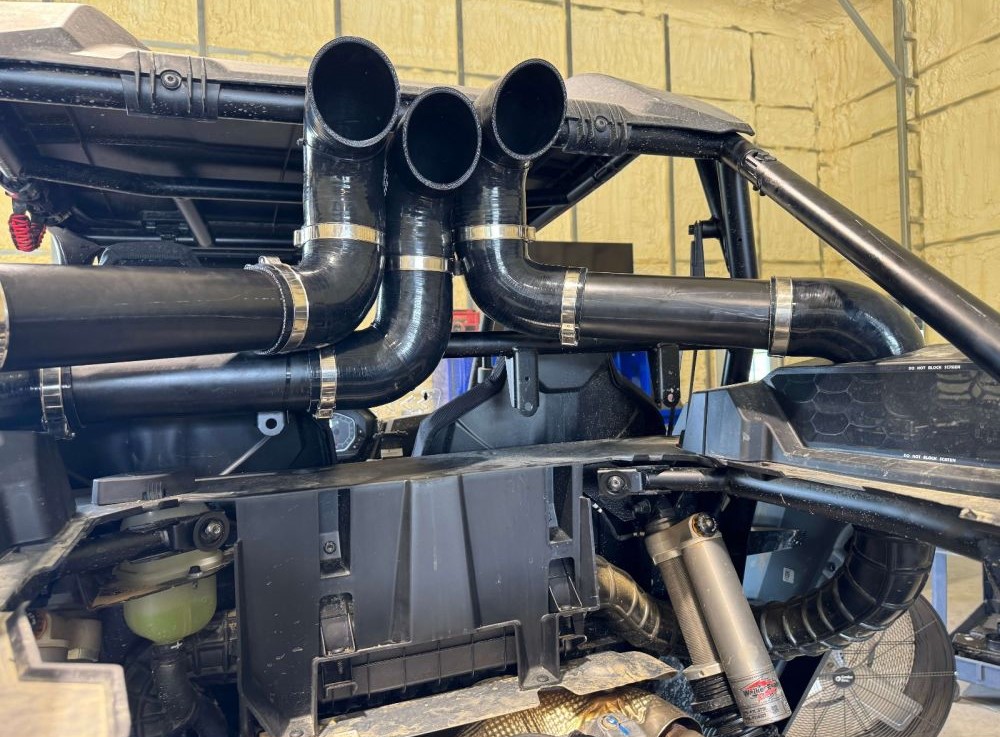
Can-Am CVT and Snorkel Maintenance Guide
 December 22, 2025
 -
Can-Am Defender Subwoofer Box Guide: Waterproofing, Fitment & Vibration Solutions
 December 16, 2025
 -
Honda CR-V Alternator
 December 15, 2025
 -
Aftermarket Assassins Primary Clutch Review: Billet vs Weight Kits Performance Analysis
 December 8, 2025
 -
How to Diagnose Electrical and ECU Problems in Your Can-Am
 December 3, 2025