
How to Diagnose Electrical and ECU Problems in Your Can-Am
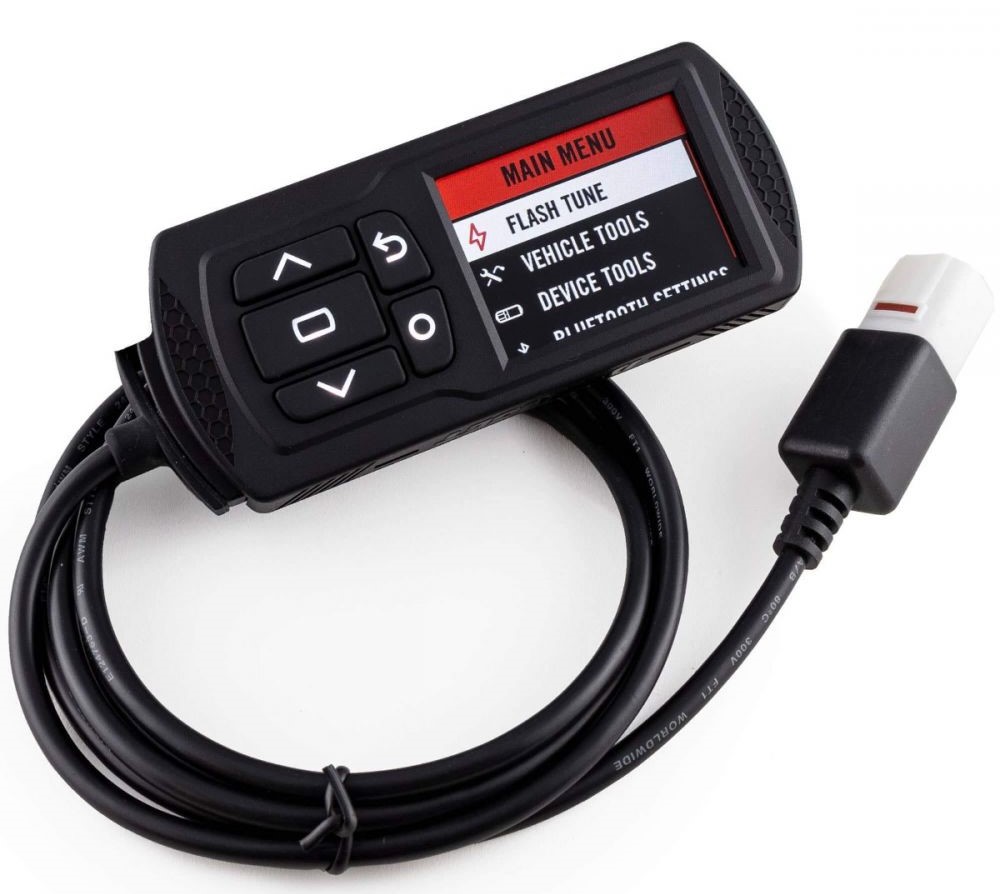
If you ride long enough, you’re guaranteed to run into electrical headaches, from random dash warnings to a machine that refuses to start. Understanding common Can-Am electrical problems can save your weekend rides more than almost anything else. When your ATV suddenly drops into limp mode, throws a DPS error, or suffers from a fast battery drain, it can feel frustrating and confusing. But in most cases, the cause is surprisingly simple, often involving loose grounds, weak relays, or moisture in a fuse box.
This guide breaks down the most common Can-Am electrical problems, explains how to troubleshoot them quickly, and gives you practical steps you can use on your next ride.
Common Electrical Failures in Outlander and Renegade Models
Electrical issues in Can-Am machines typically start small but quickly demand your attention. Before diving into the fixes, it helps to know the most common trouble areas responsible for Can-Am electrical problems.
Battery Drain and Charging Problems
Many riders notice slow cranking, flickering lights, or complete battery drain after riding through mud or water. Common causes include:
- A weak voltage regulator
- Loose or dirty ground connections
- A failing starter relay
- Corroded or wet fuse box
Any of these issues can snowball into Can-Am ECU issues or even a complete no power problem.
Random Dash Errors and Fault Codes
Your machine may display unexpected dashboard codes that seem unrelated to anything you were doing. These are often caused by:
- Wiring harness damage or rubbing points
- Moisture inside connectors or plugs
- Faulty sensors sending incorrect signals
These failures often trigger limp mode, confusing alerts, and difficult restarts.
Sudden No-Start or No-Power Situations
Few things ruin a ride more than a dead ATV in the woods. A sudden no power problem can come from:
- A blown fuse
- Weak or failing battery
- Tripped or corroded relay
- Damaged terminals or wiring
How to Reset Limp Mode and Fix DPS Errors
Losing power mid-ride almost always ties back to limp mode or a DPS error. Here’s how to understand and clear these problems safely.
What Triggers Limp Mode?
Limp mode activates when the ECU detects an electrical issue that could damage the machine. Common triggers include:
- Overheating
- Low or unstable voltage
- Throttle-related faults
- Persistent Can-Am ECU issues
- Faulty or moisture-damaged sensors
How to Reset Limp Mode
Before calling for a tow, try these steps:
- Turn the machine off completely
- Let it sit for two minutes
- Cycle the key slowly to reset the ECU
- Inspect battery terminals for tightness and corrosion
- Check the fuse box for moisture or blown fuses
- Look for wiring harness damage or pinched wires
Surprisingly, these steps clear limp mode far more often than riders expect.
Fixing DPS Errors
A DPS error means your power steering isn’t receiving proper voltage. Look for:
- Weak or aging battery
- Faulty voltage regulator
- Bad relays or corroded connectors
- Moisture in wiring plugs
Preventing Future ECU Problems
Once electrical issues are fixed, preventing them becomes much easier. Most future Can-Am ECU issues can be avoided with simple routine checks.
Smart Prevention Tips
- Keep your fuse box clean and dry
- Inspect wiring harness hotspots after mud rides
- Check terminals before long trips
- Use dielectric grease on exposed connectors
- Perform periodic ECU reset cycles after upgrades
- Watch for slow engine cranking that signals battery drain
Extra Tips for Reliable Electrical Health
- Store the ATV on a battery tender to prevent drain
- Keep the starter relay clean and protected
- Replace worn connectors early
- Prevent mud buildup around the voltage regulator
Maintaining Reliable Electrical Performance
Handling Can-Am electrical problems doesn’t have to feel overwhelming. With the right steps, you can clear limp mode, track down battery drain, fix DPS warnings, and eliminate the electrical faults that interrupt your rides. A few simple checks and clean connections go a long way toward keeping your machine dependable every time you fire it up.
For reliable parts, upgrades, or expert help choosing electrical solutions, contact us today. We’re here to help with any Can-Am electrical problems you run into.
-
Can-Am CVT and Snorkel Maintenance Guide
 December 22, 2025
 -
Can-Am Defender Subwoofer Box Guide: Waterproofing, Fitment & Vibration Solutions
 December 16, 2025
 -
Honda CR-V Alternator
 December 15, 2025
 -
Aftermarket Assassins Primary Clutch Review: Billet vs Weight Kits Performance Analysis
 December 8, 2025
 -
How to Diagnose Electrical and ECU Problems in Your Can-Am
December 3, 2025