
Can-Am CVT and Snorkel Maintenance Guide
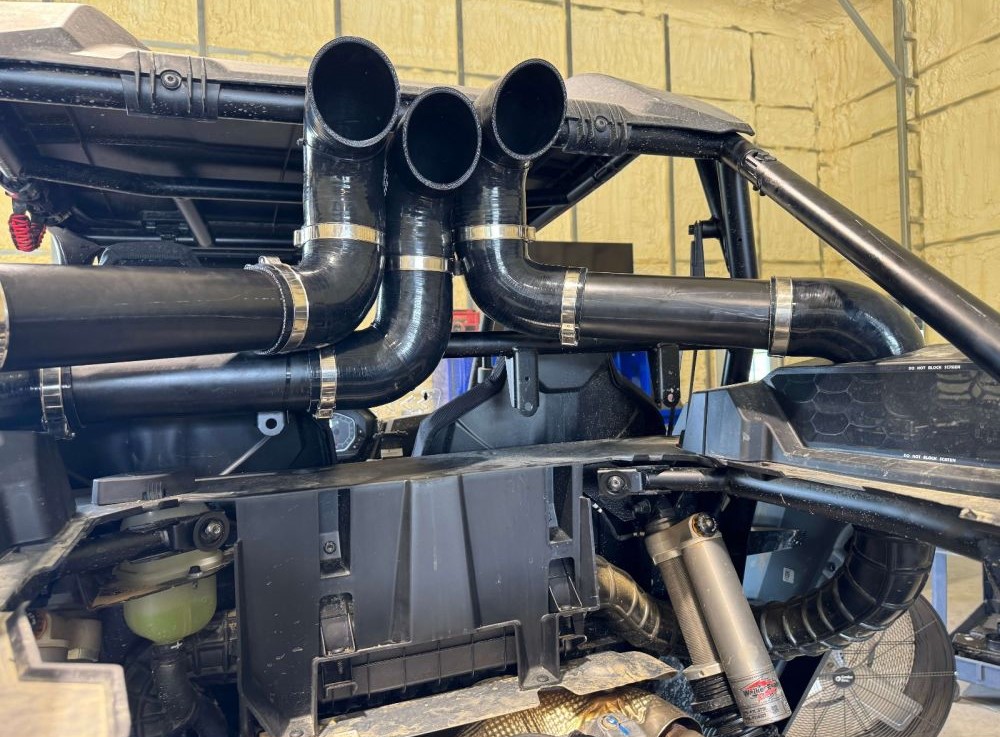
If you ride a Can-Am long enough, you learn one thing fast: mud and water love sneaking into places they don’t belong. That’s why Can-Am CVT maintenance is something every rider should take seriously, especially if you spend weekends splashing through creeks, cutting through swamp trails, or chasing mud holes that swallow half the machine. When the CVT gets wet, belts slip, clutches glaze, and your ride day turns into a long push home.
With the right habits, the right checks, and the right sealing tricks, Can-Am CVT maintenance becomes simple, reliable, and something you’ll thank yourself for every time you hit deep water.
Why Water Gets into the CVT
Before diving into steps, it helps to understand where the trouble starts. Most “water in CVT” issues come from missed seals, old parts, or pressure changes during deep water crossings.
Common Ways Water Creeps In
A worn CVT seal that no longer seats tightly
A pinched or damaged belt box gasket
Poor vent routing that sits too low
Improper sealing where riders forgot RTV silicone
A cracked or loose clutch housing
Overwhelming the system with high-speed splashes
The more you ride water and mud, the more these weak points start to show. That’s why Can-Am CVT maintenance is all about staying ahead of these failure zones.
How to Seal and Clean Your CVT Belt Housing
Once you understand how leaks happen, keeping the system dry becomes much easier. A good sealing session can save belts, money, and frustration.
Step 1: Open the Housing and Inspect
Look for mud streaks, wet marks, or anything unusual around the clutch housing. Most leaks leave visible clues.
This is the best time to check:
Your belt box gasket
Your CVT seal
Any signs of leftover water in the CVT
Step 2: Clean and Prep the Edges
Make sure every surface is clean before sealing. Wipe dust, old sealant, and grit.
Step 3: Apply RTV Silicone Correctly
Use RTV silicone on corners and seams. Not too much. Not too little. A smooth bead works best, especially around gasket transitions.
Step 4: Tighten Everything Evenly
Uneven pressure is one of the biggest causes of leaks. Tight, even, and consistent is the rule.
Step 5: Check the CVT Fan and Vents
A weak CVT fan or low-routed vent can pull water in. Upgraded vent routing is one of the easiest ways to reduce water in CVT on deep rides. This process becomes second nature with time. It’s one of the core habits of Can-Am CVT maintenance for any rider who likes to push their machine.
Preventive Maintenance for Mud Riders
Mud riders know the deal. The more you play, the more maintenance you add. But a few small habits go a long way toward saving belts and clutches.
Smart Habits for Keeping a Dry CVT
Inspect the belt box gasket after every hard ride
Check CVT seal tightness regularly
Use proper vent routing with a quality CVT snorkel kit
Upgrade worn parts before they fail
Keep the CVT fan clean so airflow stays strong
Refresh your belt and follow good belt care
Watch for early signs of slipping or squealing
For Snorkeled Machines
If you run a snorkel, sealing matters even more. A CVT snorkel kit helps redirect air, but the system still needs tight sealing, clean edges, and strong airflow.
Many riders rely on Outlander snorkel tips from community forums to keep their setups clean and dry. Simple changes, like raising vents higher or switching to tighter fittings, prevent water in the CVT before it starts.
All of this circles back to one thing: smart, routine Can-Am CVT maintenance that keeps your belt system breathing clean, dry air.
Extra Tips for Mud Riding Maintenance
Dry the CVT after every deep ride
Monitor belt dust build-up
Reapply RTV silicone when seals age
Keep spare belts for emergencies
Double-check your clutch housing after every big ride
These habits help stretch belt life, protect the system, and make your machine ready for the next mud adventure.
Maintaining a Reliable Can-Am CVT System
Keeping your machine ready for mud is all about consistent Can-Am CVT maintenance, smart sealing, and a habit of checking the small parts that keep big problems away. With clean vents, tight seals, and proper belt care, your Can-Am stays ready to hit water without worry.
For upgrades, parts, or help choosing the right setup, contact us. We’re always here to support your Can-Am CVT maintenance needs.
-
Can-Am CVT and Snorkel Maintenance Guide
December 22, 2025
-
Can-Am Defender Subwoofer Box Guide: Waterproofing, Fitment & Vibration Solutions
 December 16, 2025
 -
Honda CR-V Alternator
 December 15, 2025
 -
Aftermarket Assassins Primary Clutch Review: Billet vs Weight Kits Performance Analysis
 December 8, 2025
 -
How to Diagnose Electrical and ECU Problems in Your Can-Am
 December 3, 2025